
Tag: fantasy

  • The Goblet of Harathorn

    The Goblet of Harathorn

    This project is co-owned and co-designed by James Salisbury and contributed to by many more of my friends. Art on this page has been crafted by James and is often inspired by SketchGoblin‘s illustration style.

    The Goblet of Harathorn (GoH) is a long-running fantasy adventure TTRPG project, currently on its 7th design iteration. The game has been created with the intent of providing a D&D alternative to our friend group and as a delightful hobbyist endeavour.

    Over the years, we’ve drawn inspiration from novels such as Terry Pratchett’s Discworld, Garth Nix’s Old Kingdom series, and Brandon Sanderson’s Mistborn and The Stormlight Archives series, and other media such as the video game Fable, or the TV show Avatar: The Last Airbender.

    At its core, GoH is about playing…

    • …a ragtag assortment of unlikely misfits
    • …who stumble, bicker, and grow into something greater together
    • …to shelter their Community against a looming threat.

    The core game loop is a familiar classic, seeing the players supporting their character’s Community, Adventuring into the Wilds of Ara, and fighting the deadly environment, beasts and foes in the Challenges that the world presents.
    Gameplay & Dice

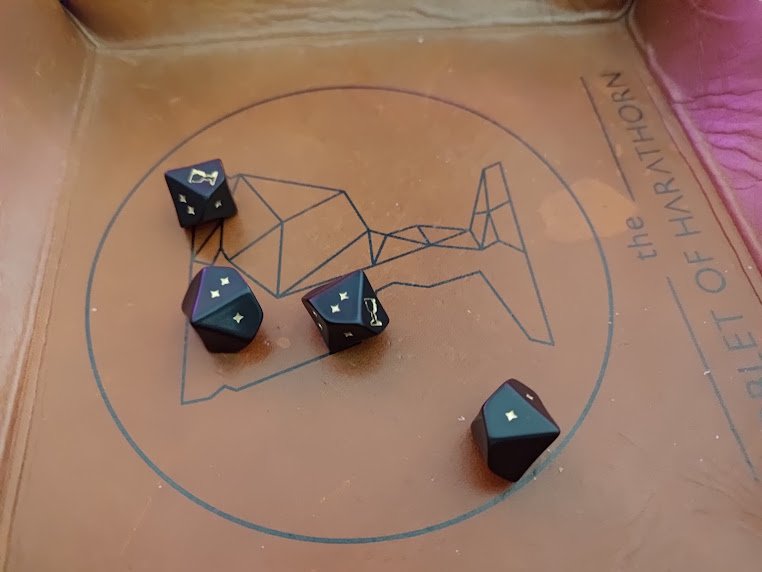
    Our latest edition uses dice pools of custom d10 dice, with outcomes designed to produce an average of 1 ‘hit’ per die. This creates a very elegant bell curve with the average result equal to the number of dice rolled.

    A die is added to the pool for each different relevant Skill the character has. Each Skill is a tag (akin to the tags of Fate or Legends in the Mist) that describes some aspect of the character. By using tag-like Skills this way, we ensure that every roll is a reflection of a character’s backstory and narrative.
    Characters & Traditions

    Unlike most fantasy TTRPGs, where each player usually chooses a single class to play, all characters in GoH are composed of two ‘Traditions’.

    There are 15 Traditions in total, covering a wide range of possible play styles, from The Tinker’s ability to invent incredible items to The Wake’s gift of summoning and binding souls from The Sorrows.

    The Traditions’ abilities are carefully balanced to ensure that each of them is effective while Adventuring and during Challenges.

    Asking the player to combine two disparate Traditions promotes more novel character design and ensures that the characters at the table stand apart from the typical fantasy tropes.
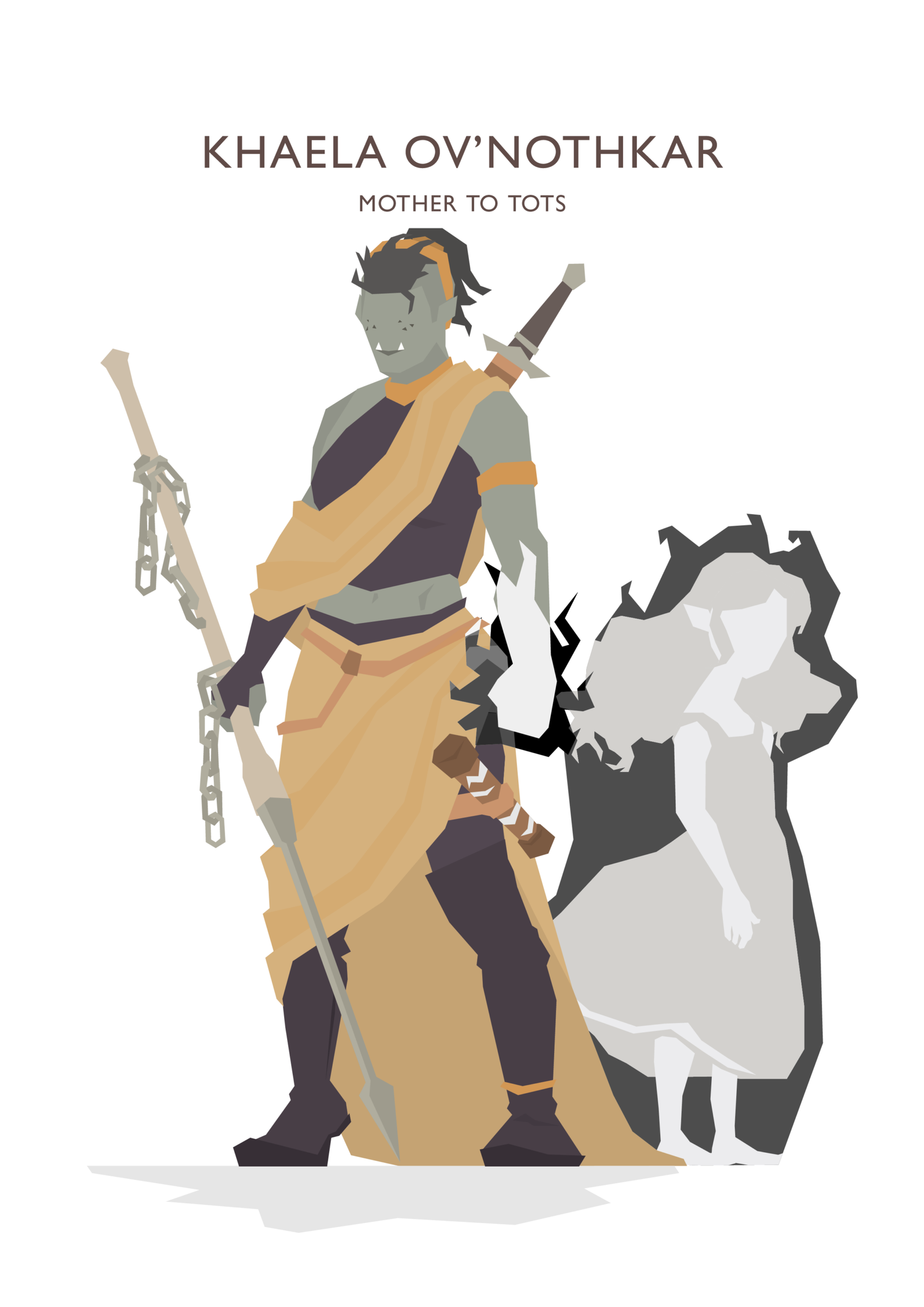
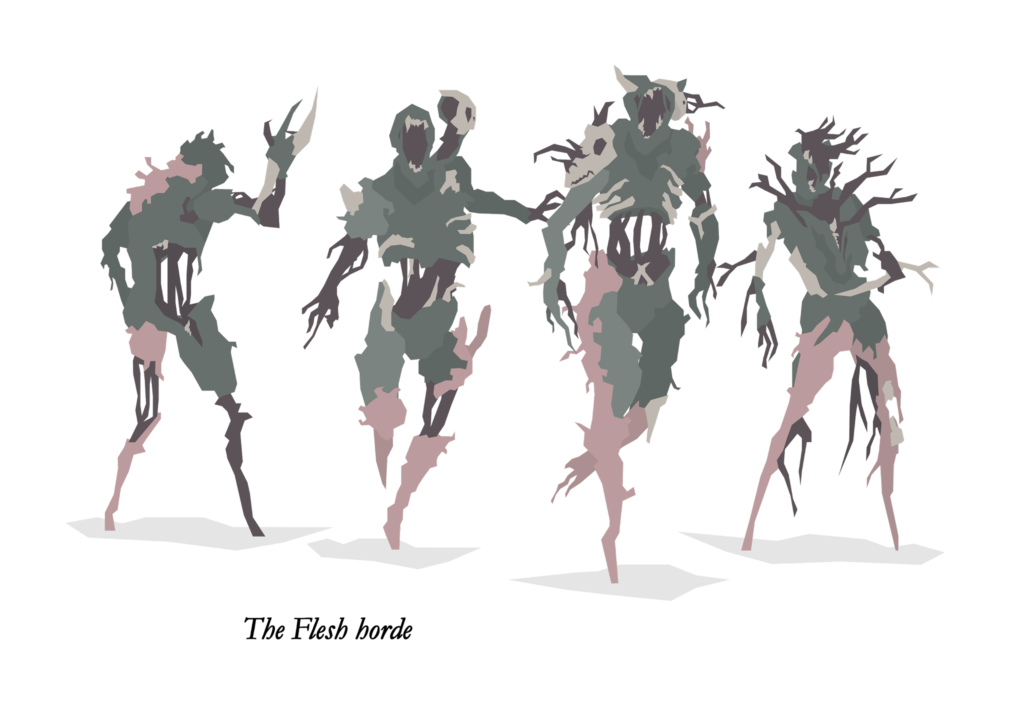
    Conlang

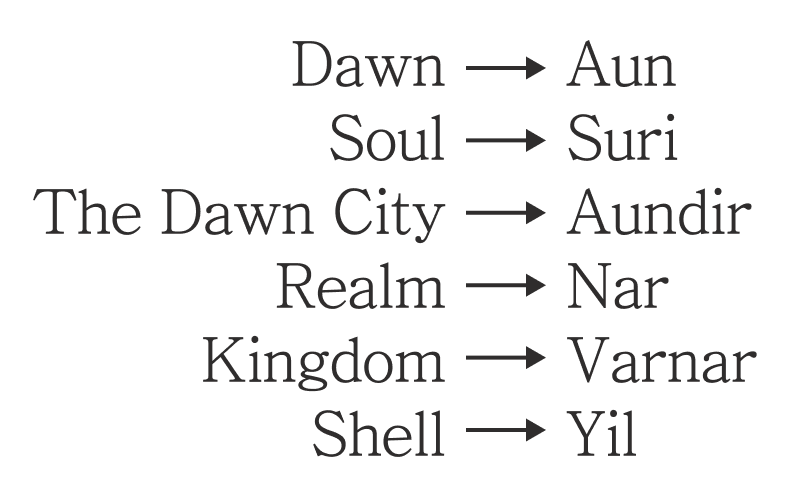
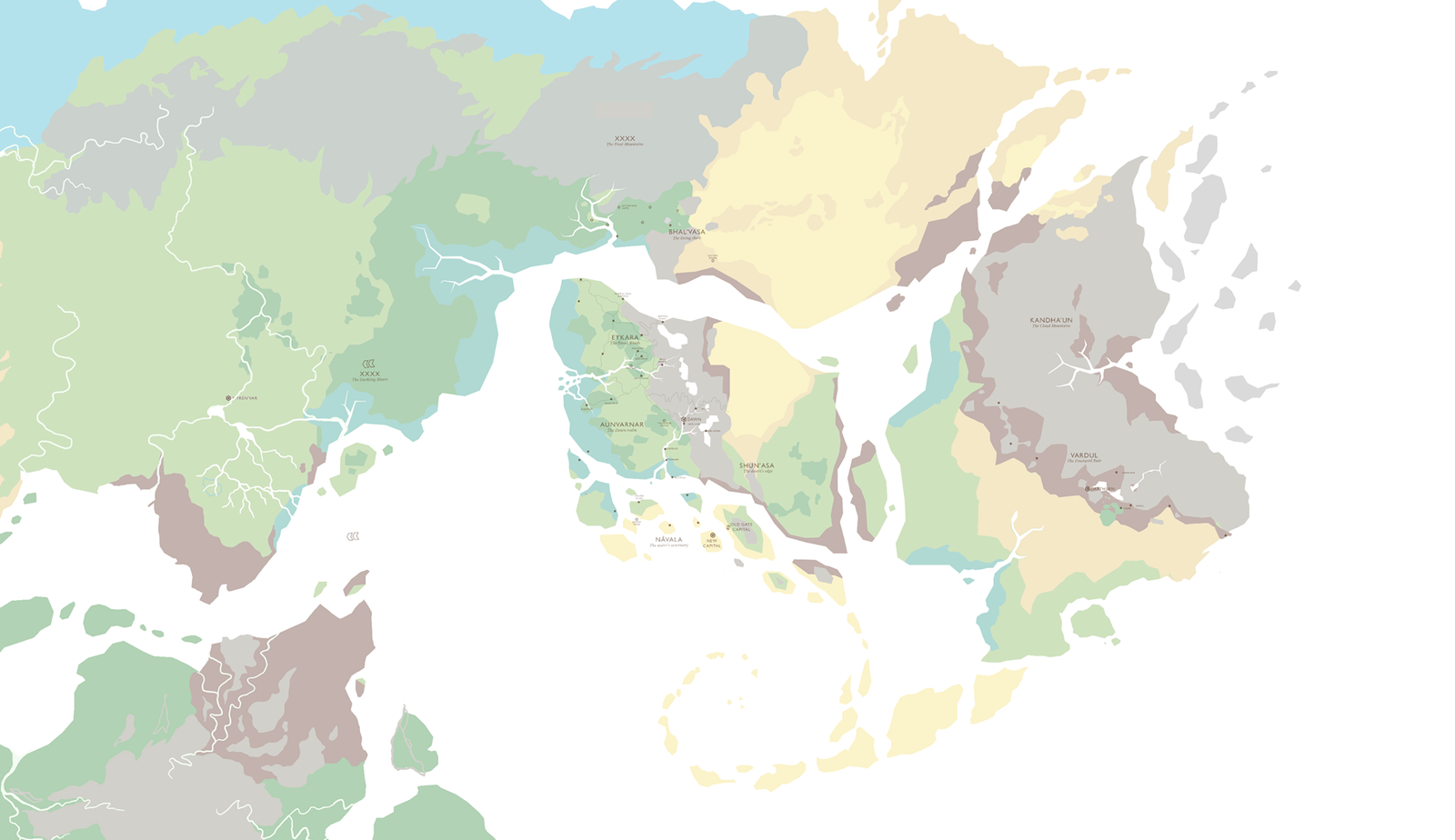
    For Ara, we have created an ancient language that heavily uses compound words to form new words. The language has added wonderful depth to the setting and the campaigns that have run, providing a sense of history and culture.

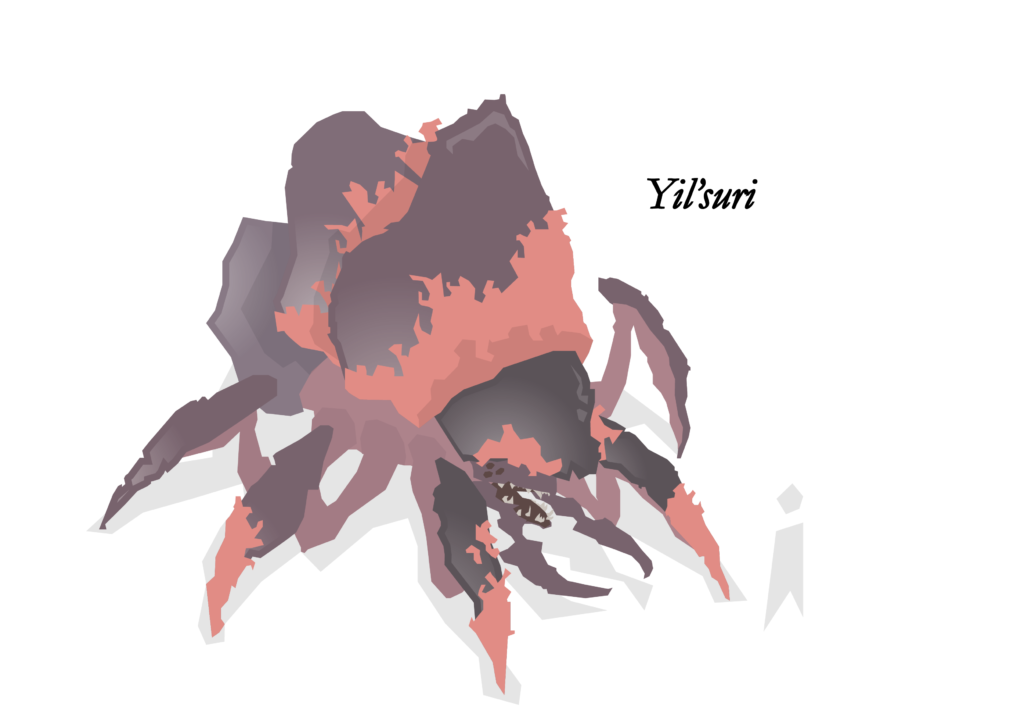
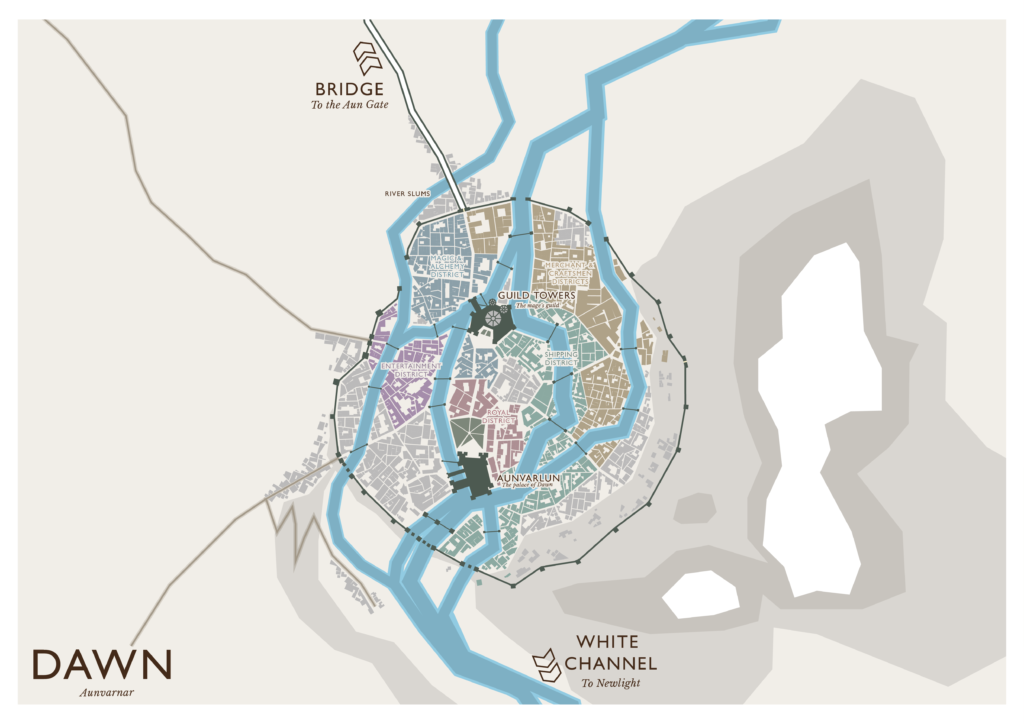
    You can see that many world-building elements on this page have their ancient language name.
  • The Winter

    The Winter

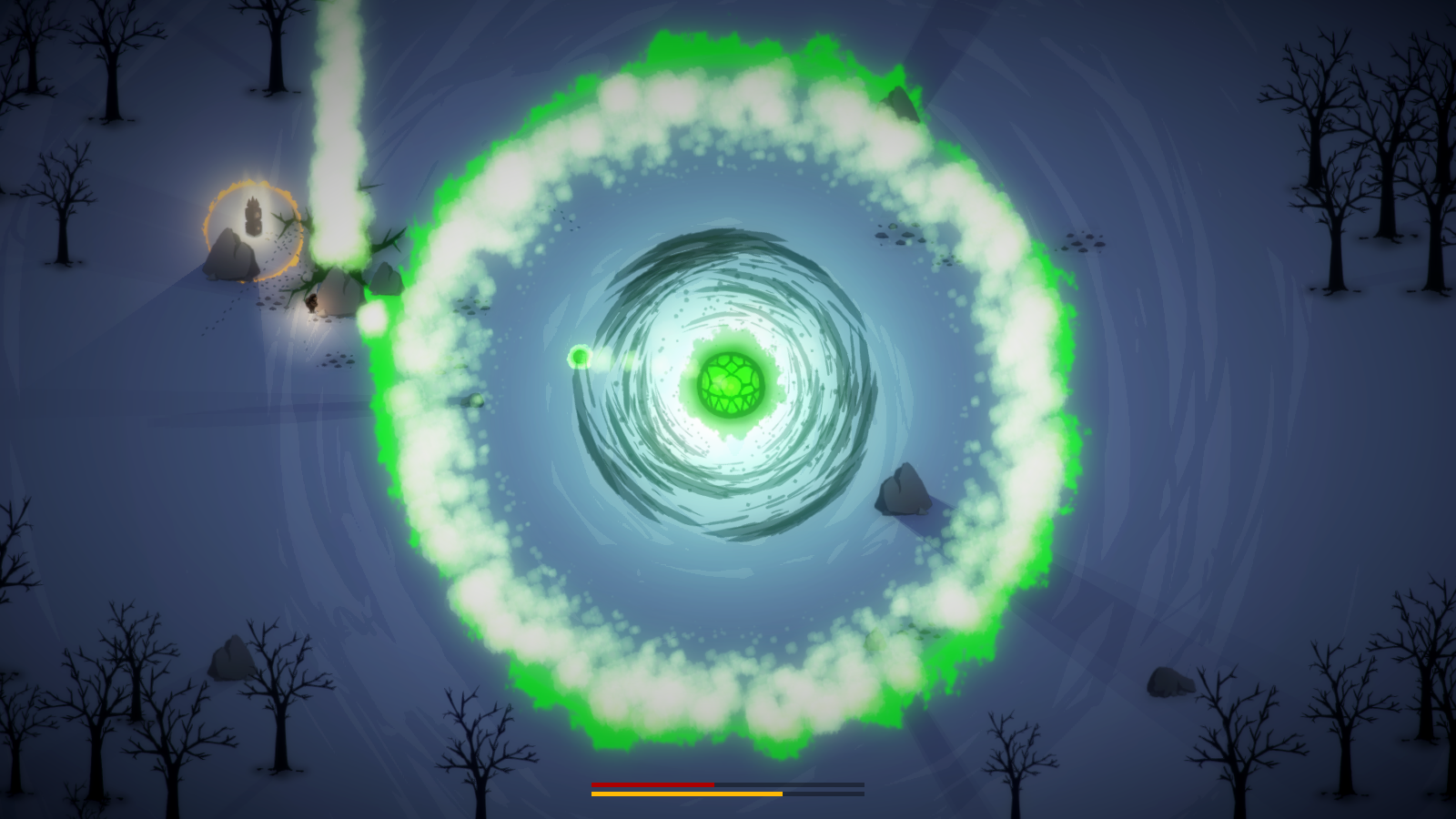
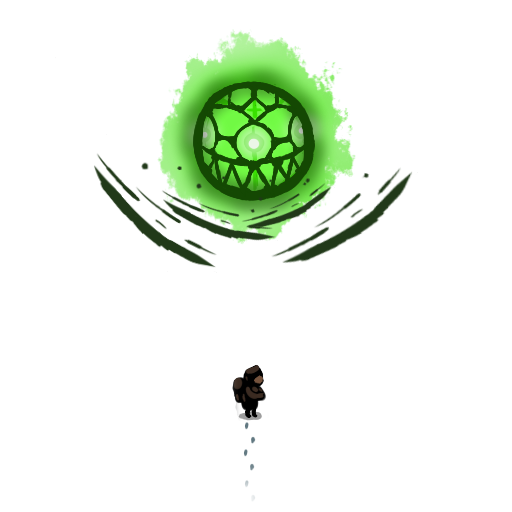
    The Winter is a short and simple game about a shaman who must defend his village from an insurmountable foe. A foretold winter brings a demonic comet to the forest, which begins to grow, threatening all those around it. You must use a combination of quick wit and the ability to call upon fiery guardians to save the day.

    The game was made for Ludum Dare 34, a competition to develop a full video game in 48 hours that meets the two themes ‘Growing’ and ‘Two Button Controls’. All of the game’s content was created in that 2-day period, except for a small collection of framework code.

    Style

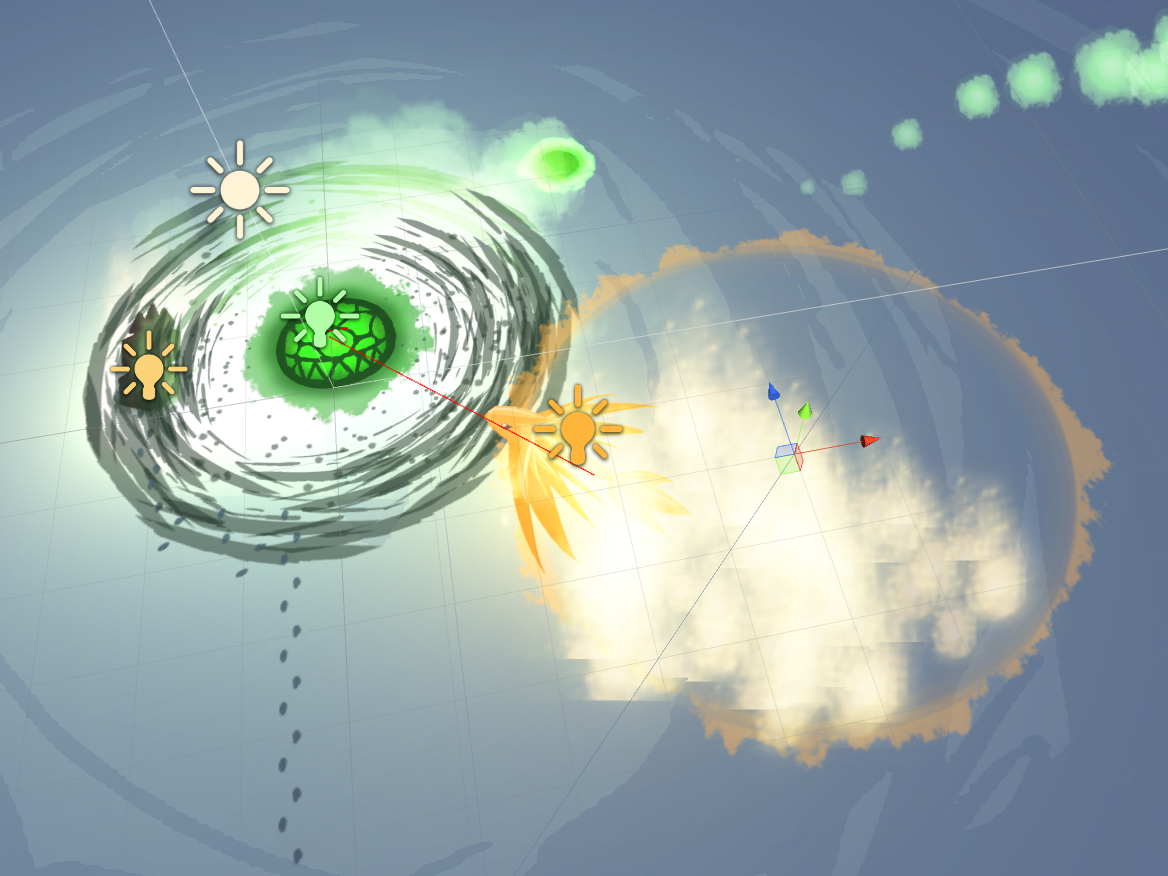
    From the very beginning of the competition, I knew that I wanted the entire game to feature on a single screen, with the only opponent dominating the player’s view. This kept the game simple but also meant that the player could easily lose the shaman avatar. To avoid this, I made him darker than the snow and gave him a lantern to put him in contrast with his surroundings.

    The effects in this game go a long way to selling the atmosphere. Many small effects were necessary to show the player that the environment is cold and harsh. The character’s footprints impress the depth of the snow and the brightness of the flames, as well as the shadows that extend out from light sources, which help to show warmth and draw the player’s eyes to key elements.

    Combat Design

    As the core element of The Winter, the combat needed to be solid and not frustrating to the player while remaining fresh and interesting as the game progresses. The player is given two key mechanics: the ability to dash anywhere on the map and the ability to plant a seed, which will eventually grow into a guardian and attack the demon.

    Without much space to teach the player the basic gameplay, they are instead given a long warm-up time during which the single enemy in the game is very passive. This allows the player to learn the controls in a safe(-ish) space. Here, they will learn that staying near the totems (an intermediate phase between seed and guardian) will heal and revive them.

    To prevent the player from simply camping near totems, the demon will infrequently use an attack that creates an explosion and damages the ground near the player, encouraging them to learn the dashing technique as a way of avoiding harm.

    This conflict between staying near sources of safety, such as cover and the totems, and remaining on the move to avoid damage is the core element of The Winter’s combat tactics. Towards the end of the game, the demon unleashes a vast wave of power which the player must quickly avoid. As this wave takes up nearly the entire screen, they may be forced to completely abandon locations they previously thought were safe.

    Learnings & Improvements

    For this project, I focused heavily on the art and the VFX to deliver on the atmosphere. I kept the gameplay intentionally very simple and the overall experience very short to allow for a lot of polish. However, this means that the game is quite shallow. If I returned to the project now, I would look for ways to create more verbs using the limited set of inputs.

    I would also improve the tutorialisation of the stamina system, as it proved to be unclear for playtesters. Many did not understand that the stamina bar needed to fill again before a new seed could be planted, and that standing still – or standing in the radius of a totem – would fill the bar faster. Lastly, I would work to improve the conclusion of the game to make the moment of victory feel more satisfying and provide a better lasting impression.