
Tag: dice

  • Battlefield 2042

    Battlefield 2042

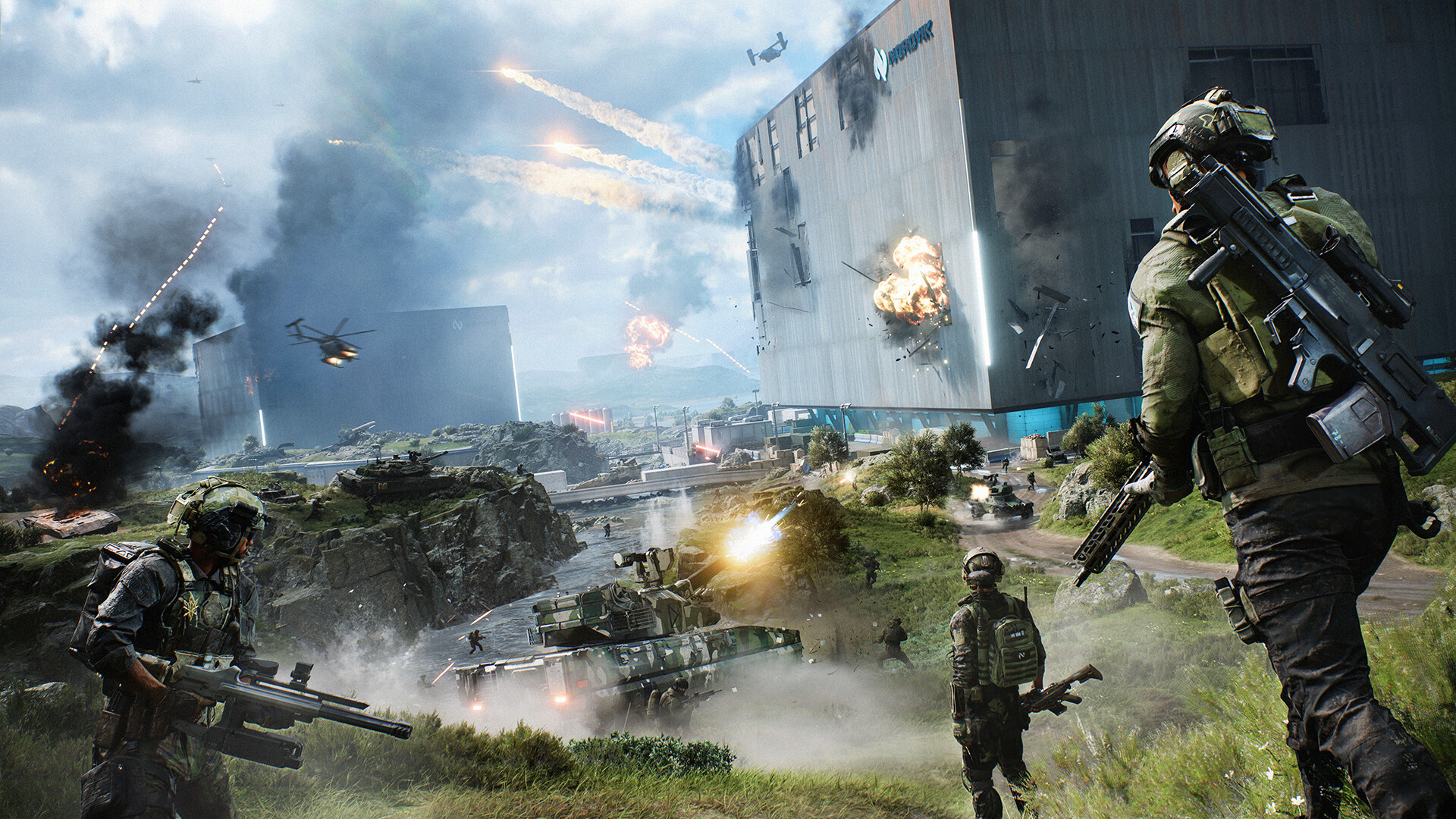
    After working as a designer on an unreleased shooter with Criterion for a year, the project was unfortunately cancelled. However, I was able to join DICE again to support them on their next Battlefield project: the near-future all-out warfare sandbox FPS ‘Battlefield 2042’. As a huge fan of hero shooters, I was very excited to work directly on the game’s Specialists.

    Specialist Abilities

    I worked alongside other designers from DICE on the core abilities of the Specialists in Battlefield 2042. Each Specialist has a unique active and passive ability that makes their gameplay experience unique.

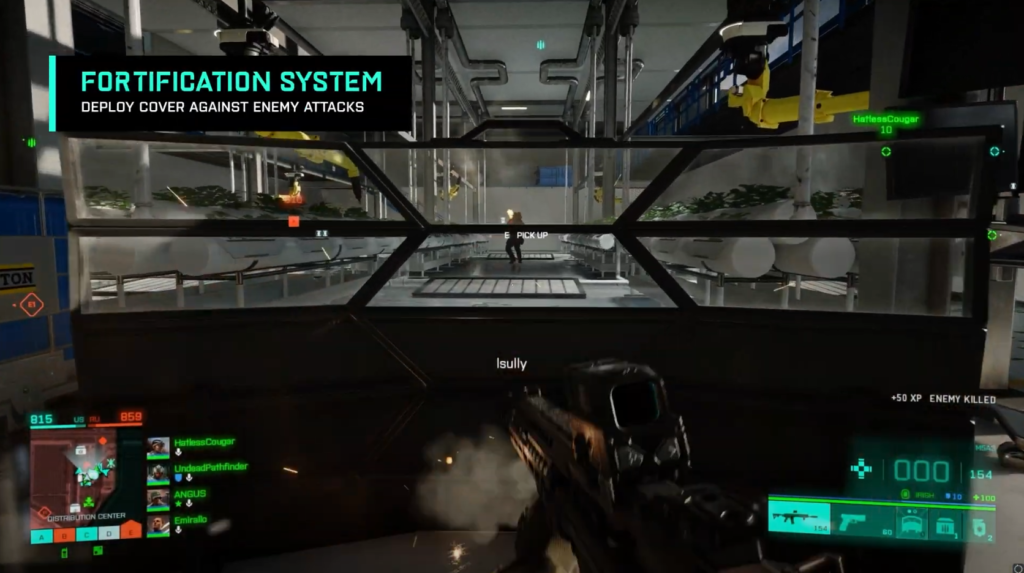
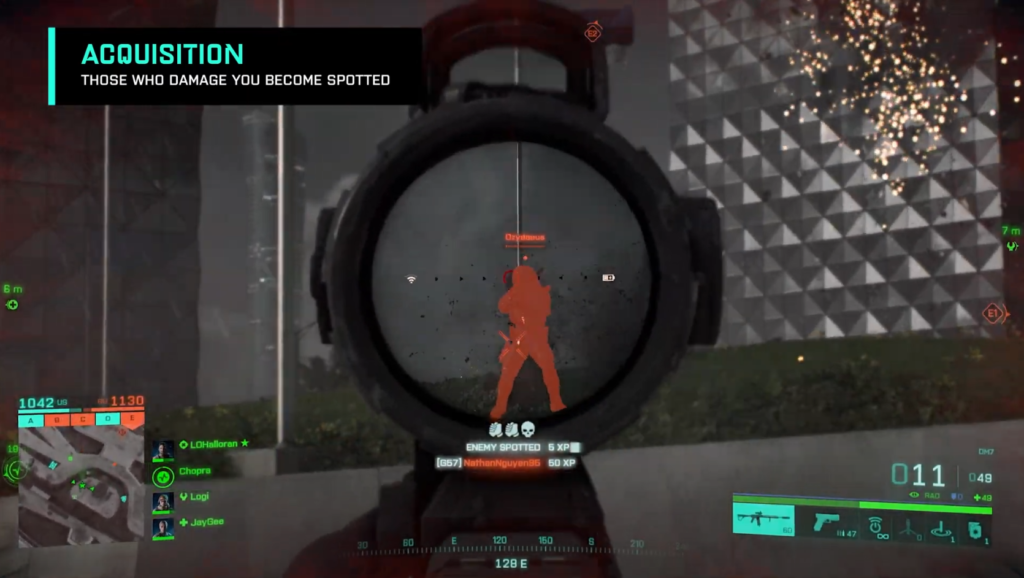
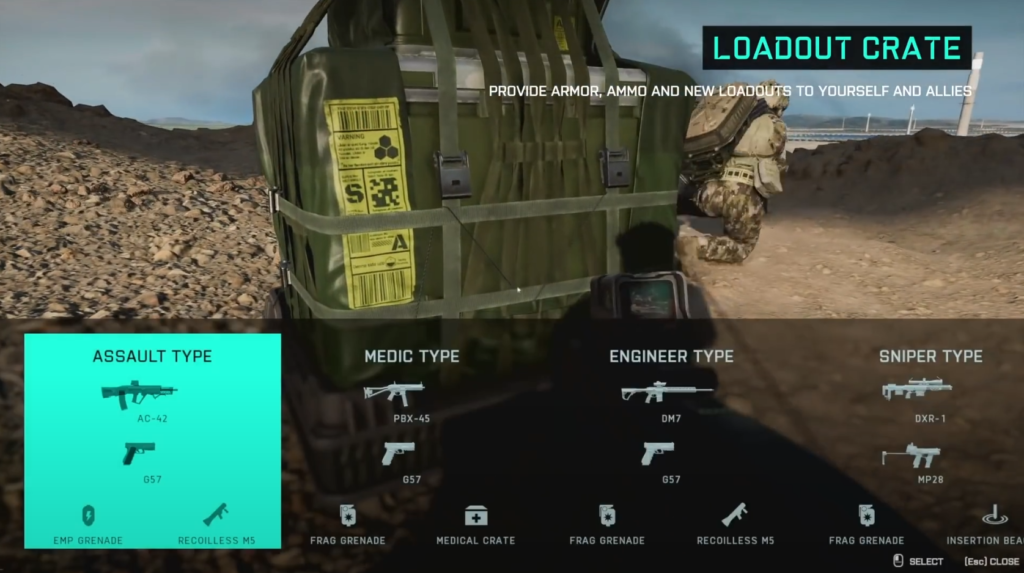
    I joined the project close to the launch, taking responsibility for many of the abilities that sense enemies through walls or spawn new deployables, such as Rao’s ability to expose multiple enemies through walls using his Cyber Warfare Suite and Angel’s ability to call in a Loadout Crate to resupply teammates.
    Hazard Zone: Tactical Upgrades

    Once the Specialist abilities were feature-complete and in testing, I moved over to support the Hazard Zone team, working specifically on the Tactical Upgrades system. As Hazard Zone was intended to be an Extraction Shooter-style game mode for the latest Battlefield, the Tactical Upgrades acted as loot that could be purchased between rounds to augment a player’s character and increase their chances of survival. I helped to implement the Upgrades in Frostbite, iterating on them as needed and assessing their impact on the balance of the Hazard Zone game mode.
  • Battlefield V: Firestorm

    Battlefield V: Firestorm

    Game Lobby

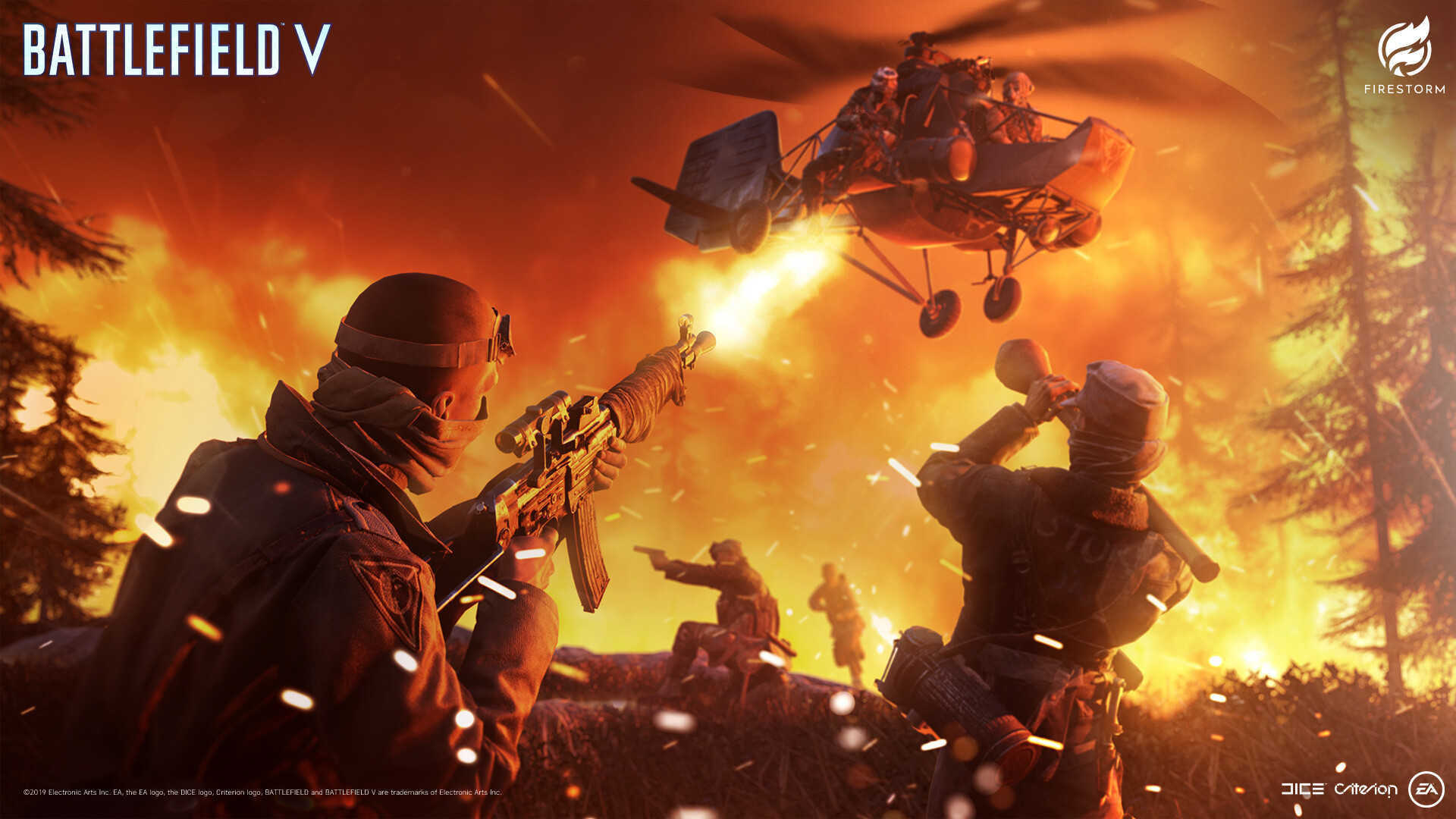
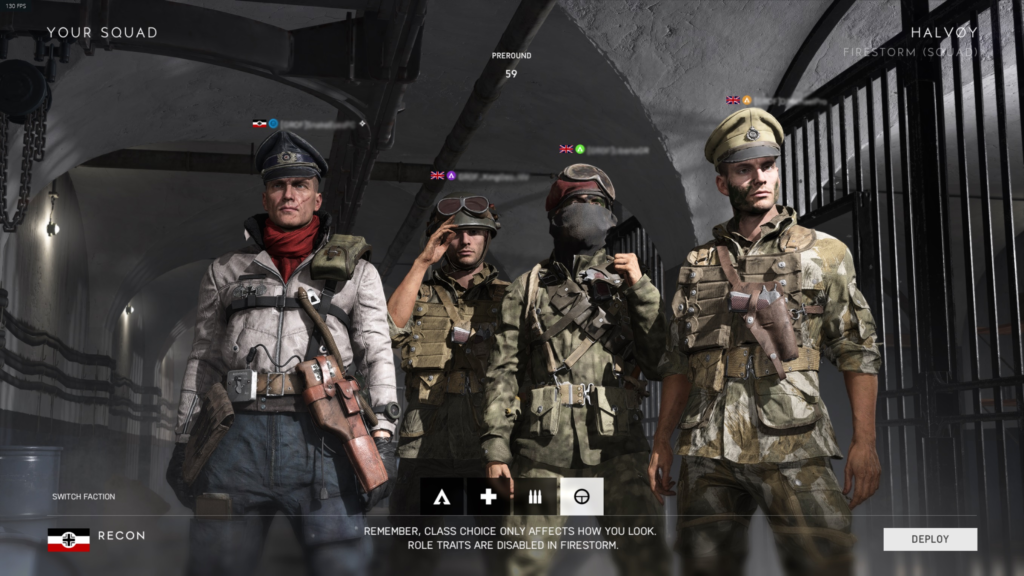
    For most of this project, I worked on the Firestorm lobby. This is a unique feature of the Firestorm mode that other Battlefield modes don’t have. After a squad has gone through the matchmaking flow, they arrive in a lobby space where they can choose their class and then test out their weapons and hang out with other players while waiting for the server to be full.

    As this is the first experience that a new player will have of Firestorm, I needed to ensure that it was flawless. My work covered the design and engineering of the flow from the moment the player entered the server, all the way until their character jumps out of the plane above the Firestorm map. I put an extensive amount of time and effort into testing this flow to ensure that there were no bugs.

    Armour System

    Another feature that I got the opportunity to contribute to is the armour system in Firestorm. This system emerged quite late in production, so it was necessary to jump into the design and implementation as quickly as possible. I worked with designers to establish how the armour vests and plates would function in the mode. Each player starts with a small armour vest which can contain a single armour plate. Each armour plate adds additional health to a soldier. Finding larger vests allows players to equip more plates (up to a total of 3 plates, which equates to 150 more health).

  • Star Wars Battlefront II

    Star Wars Battlefront II

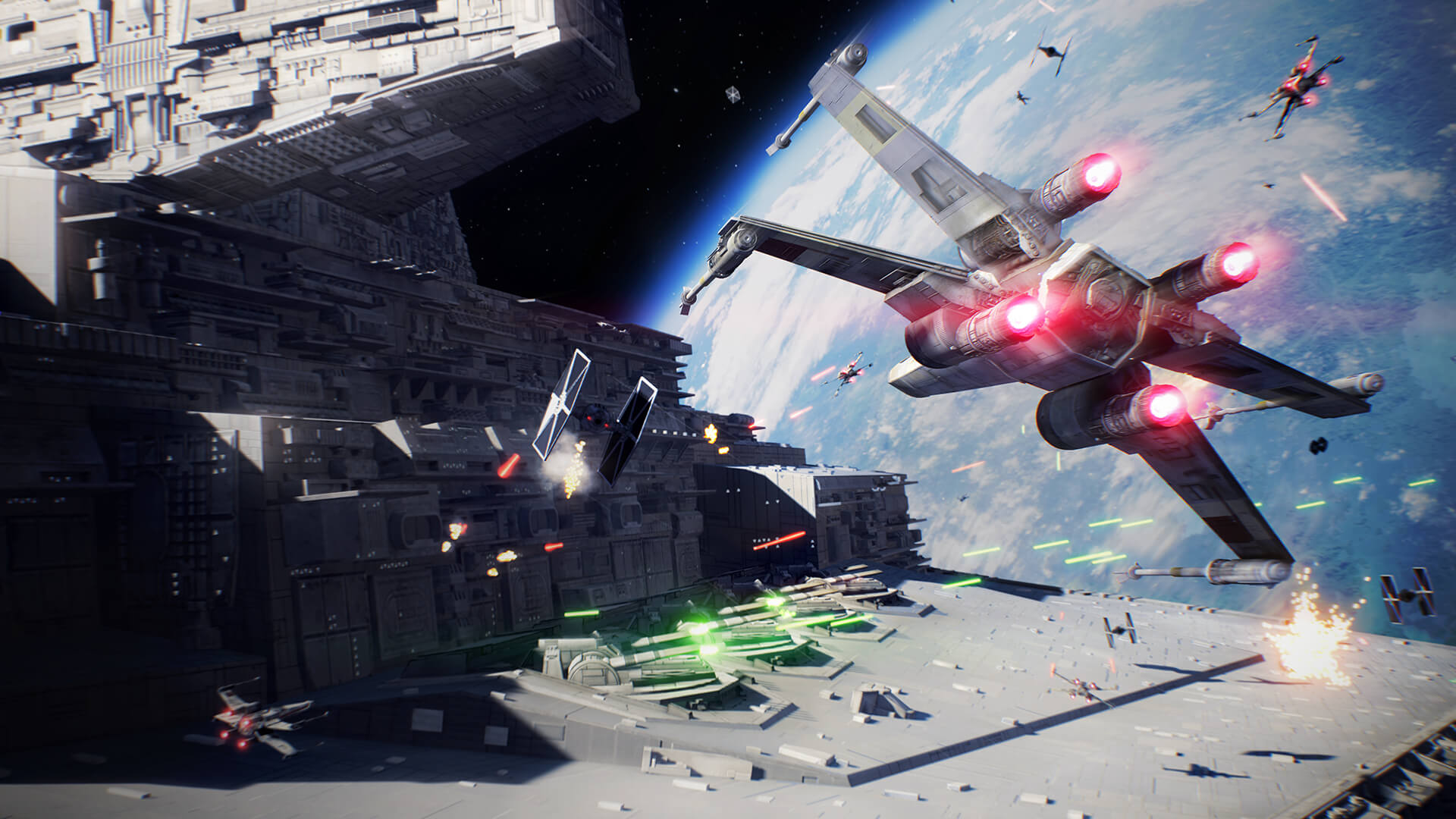
    Star Wars Battlefront II featured the Starfighter Assault mode, seeing 24 players pilot one of the iconic fighter ships, such as X-Wings or TIE fighters. Once they earned enough points, they could upgrade to a hero ship such as Darth Maul’s Scimitar. During a round, one side launches wave after wave of fighters against giant capital ships, while the other attempts to hold out and defend them. The mode was very well received, with critics praising it for the extremely tight controls and unique interactive maps.

    Starfighter Abilities

    During this project, I worked with a small team that was focused on delivering the gameplay components of the many starfighters. My role was to help design and implement all of the starfighter abilities in the game. You can see a few of these abilities in the trailer above, such as the invisibility cloak that is deployed by Maul’s Scimitar.

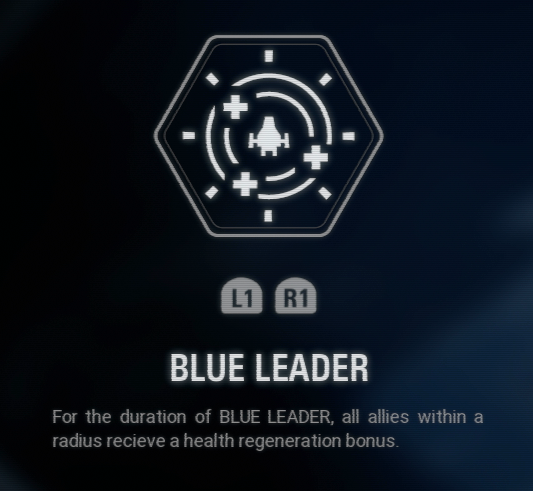
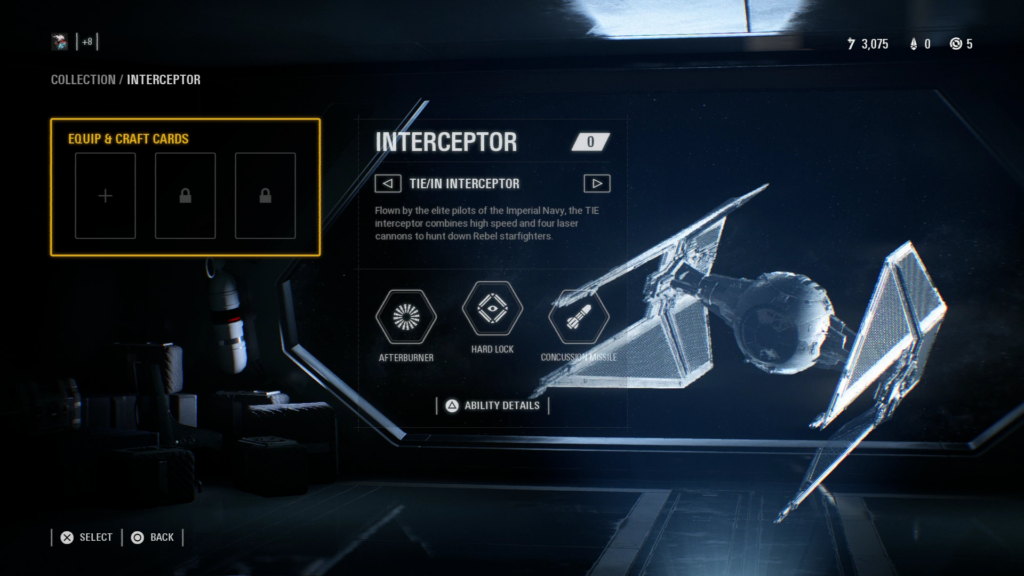
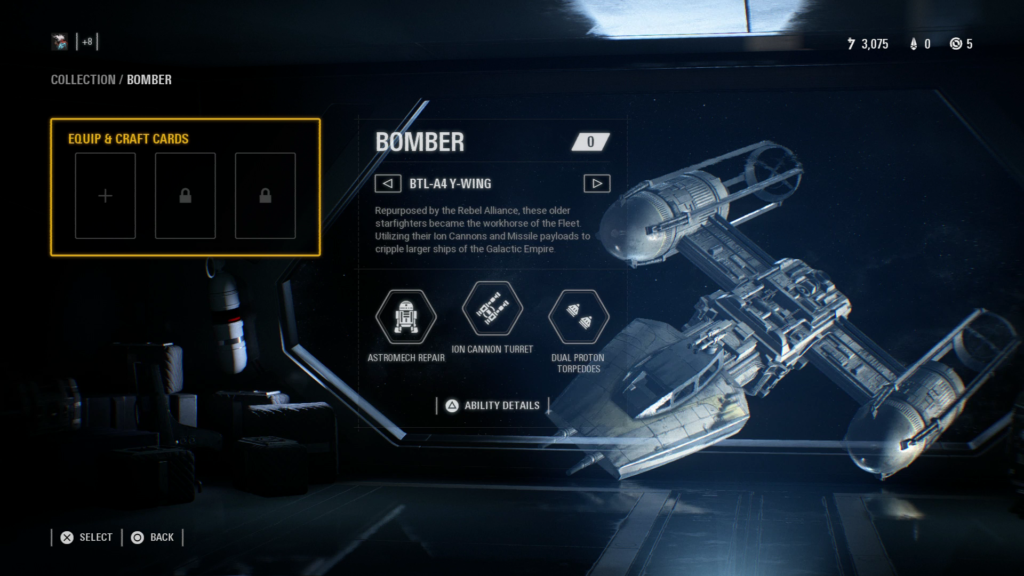
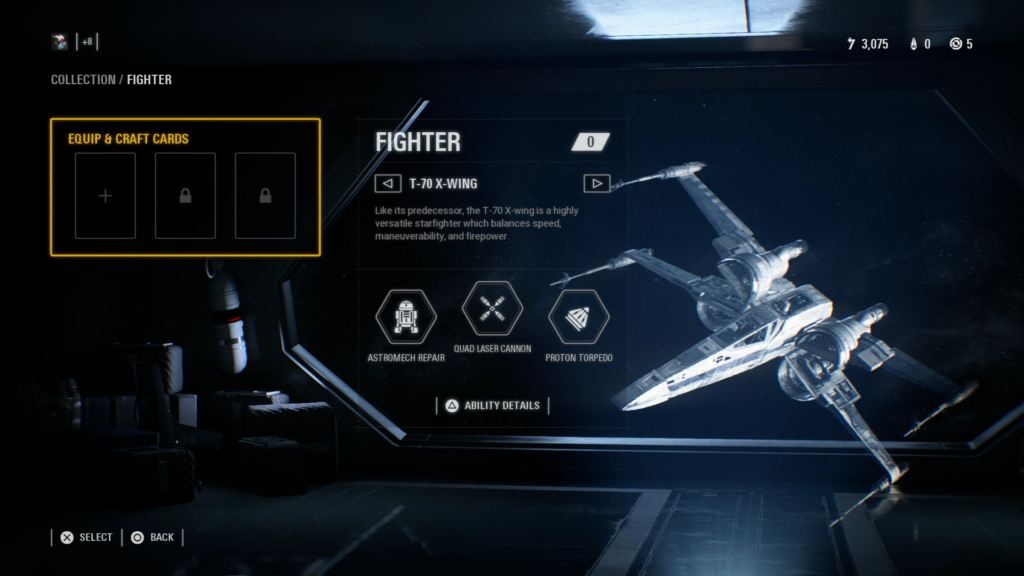
    Below you can see some of the loadouts for the starfighters in the game. Each starfighter has 3 abilities. Generally, the left-hand ability is defensive, the right-hand ability is offensive, and the middle ability is something unique to that fighter and more powerful.

    Frostbite Development

    Before entering production on the abilities, I worked to establish the different types that we would have in the game and how we would implement them. Each starfighter has 3 abilities, all of which have cooldowns. Some trigger and then last for a long duration, others fire off a one-shot effect. Many abilities can interact with each other or overlap in unique ways to provide the player with powerful combos.

    During production, I engineered each ability in Frostbite and collaborated with VFX artists, audio designers, engineers and gameplay designers to ensure that they feel incredible and meet the quality expected of Star Wars.

  • X-Wing VR Mission

    X-Wing VR Mission

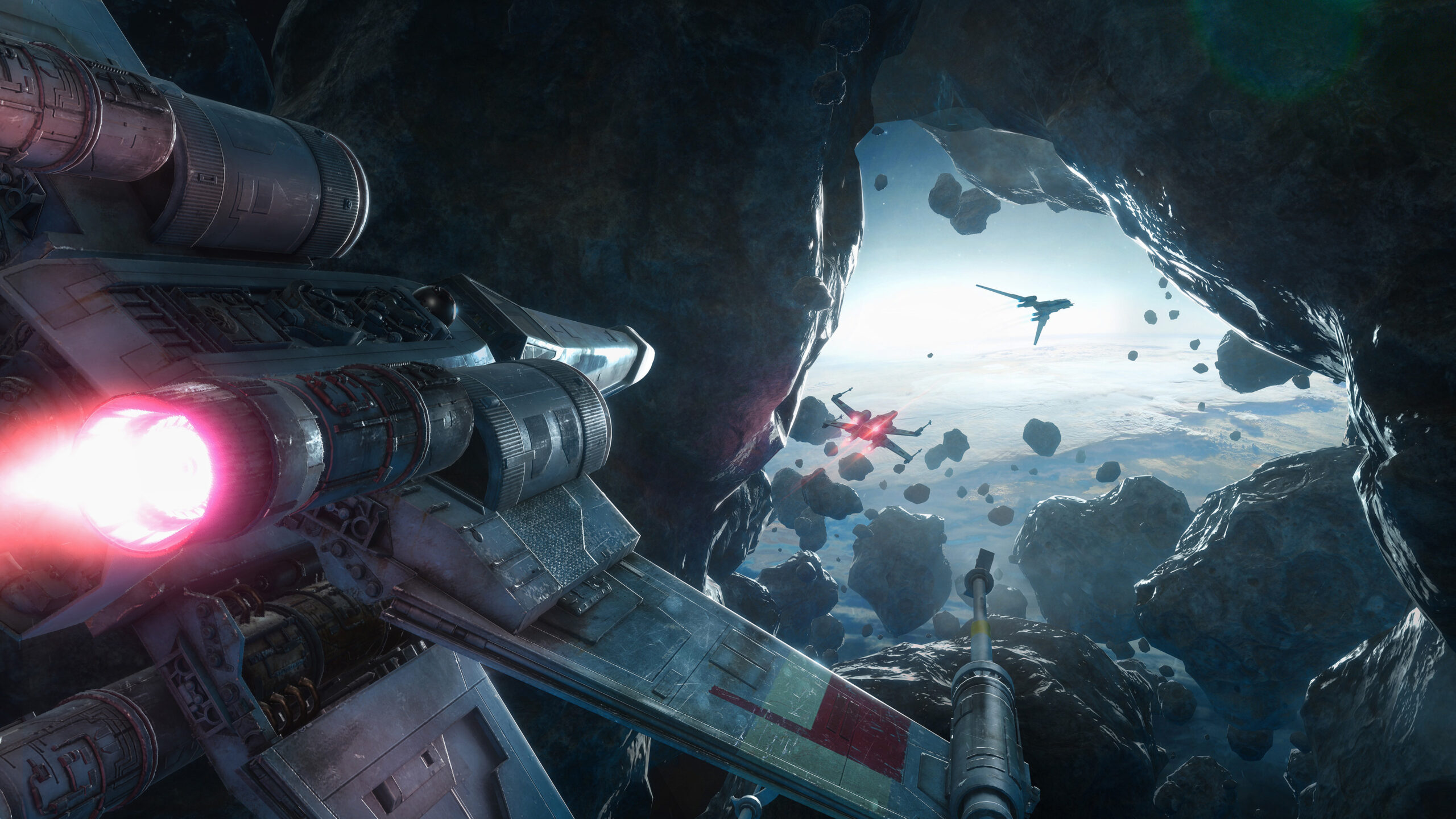
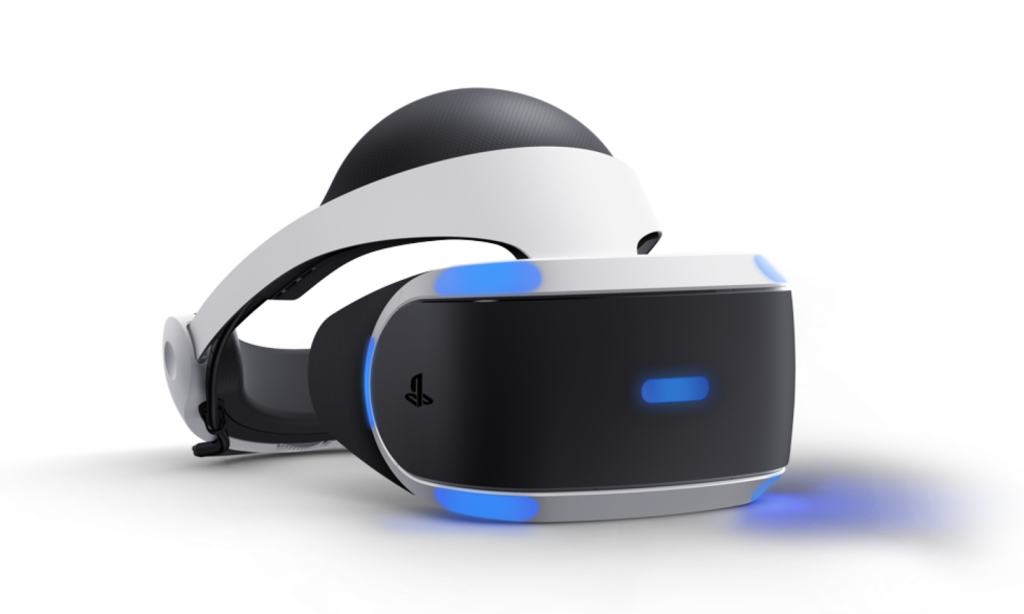
    I had the incredible opportunity of working on the Rogue One: X-Wing VR mission, which was the first VR game to be made by EA. We developed the experience in Frostbite, building on DICE’s Star Wars Battlefront title, after extensive prototyping in Unity.

    The mission takes you through an incredibly immersive story of a rookie X-Wing pilot who is thrown into the action a little faster than they expected. At the time of release, it was one of the highest-quality VR experiences available and received overwhelming praise from all who got to play it.

    Before the project, a small group of Criterion devs and I experimented frequently with Unity VR during quarterly hackathons. The skills we developed during those hackathons were part of EA’s motivation to give the VR project to Criterion. The expertise I gained directly translated into the early prototypes of the mission. During the production phase, I collaborated with artists and designers to author several unique narrative moments that occur during the story and designed and developed the enemy AI logic, iterating to achieve the desired pacing and emotional impact.

    Developing in VR

    Creating a VR game always presents unique challenges. From very early on in development, we identified various ways in which VR can produce motion sickness and then designed the final experience to prevent these effects as best as possible. In general, we tried to avoid any sudden change in speed or direction, and also prevent the ship from rolling, as these techniques all proved to increase the comfort for the player.

    Interacting with the world in VR provides a lot more immersion than in standard games. Because of this, we took the opportunity to let the player press any button within the X-Wing cockpit, and made sure that all of them do something! Small details like this greatly added to the realism of the mission and won over the hearts of many fans.