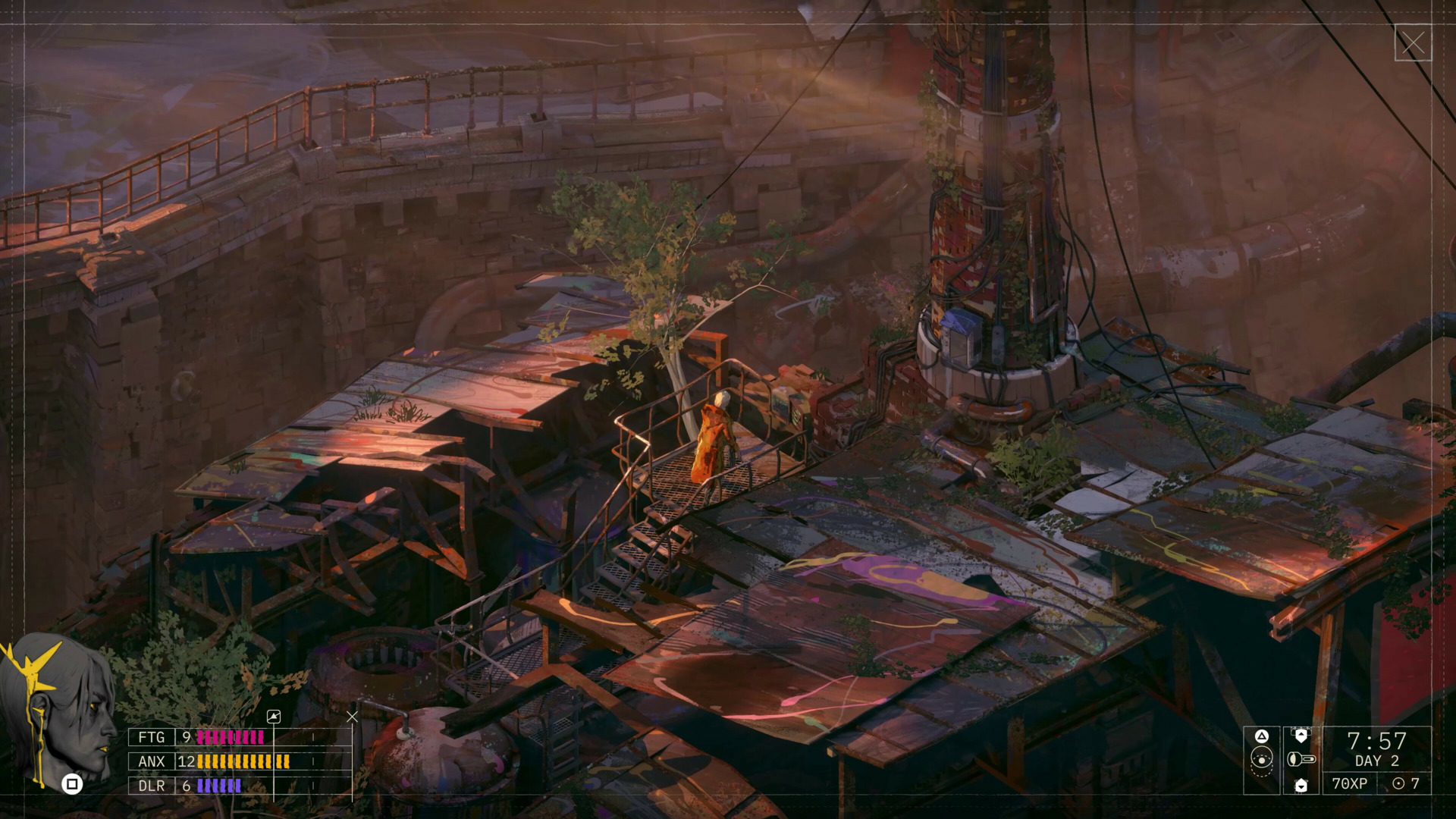
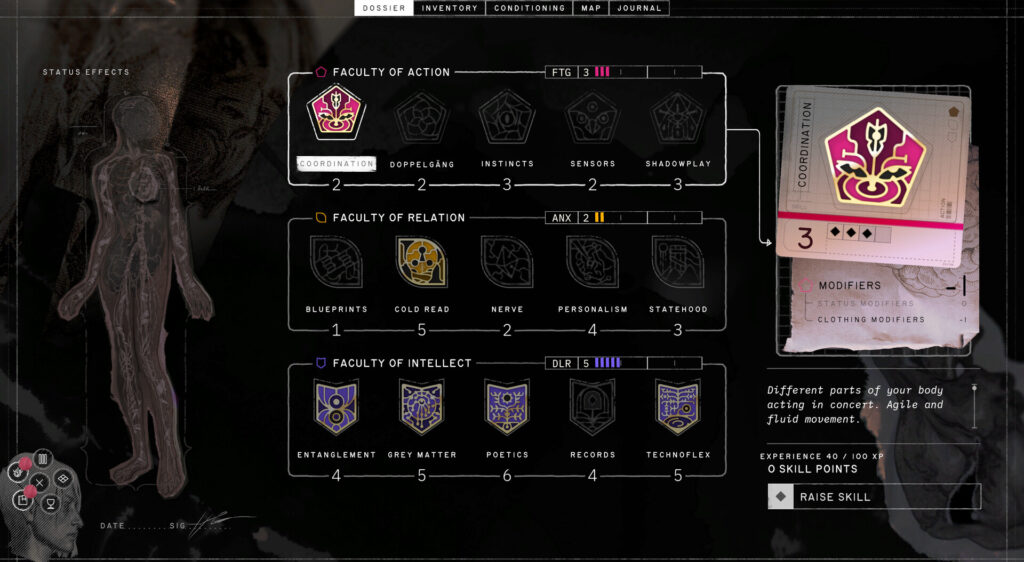
Zero Parades is an espionage RPG, where you play as a brilliant but tormented operant on one final desperate assignment. As the Principal Gameplay Designer on this project, I have been working closely with the rest of the team to coordinate the development of the core game systems, namely the Skills, the Pressures (which simulate the physical and psychological toll of being an operant) and the dice rolls.
Escape Hack (project codename) is a personal game project that I started as a type of ‘self-enforced’ game jam, intending to take a prototype to Develop Brighton to put into the hands of players and other developers and learn from their feedback.
Clear Constraints
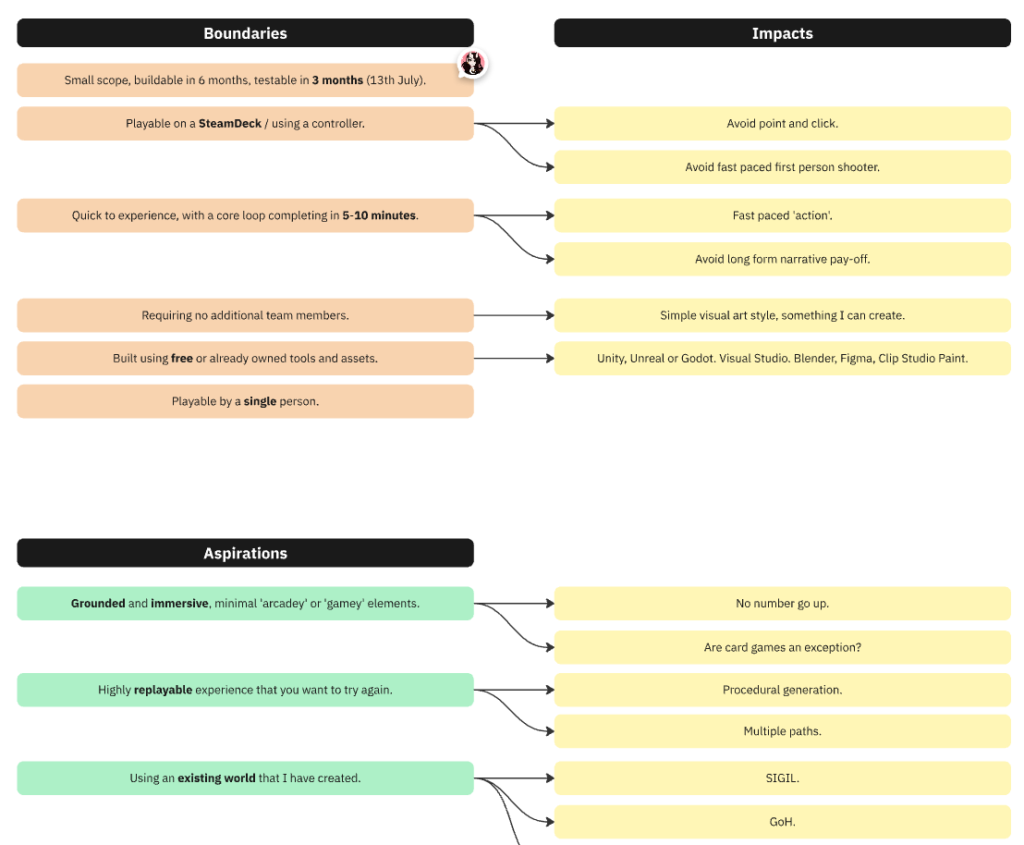
When working on a personal project, it can be easy to plan a project that is too big or immediately start creeping scope. To combat this, I gave myself a series of helpful constraints:
Steam Deck first – so that I can take the game to Develop and give it to people to play on the spot.
Single player only – so that I do not need to gather groups to play together.
5-10 minute core game loop – so that a busy, tired conference-goer can enjoy the game and ‘get it’ as quickly as possible.
Design
Player Goal
The game sees the player trying to escape a dangerous underground facility. They must ascend floor after floor, all while being pursued by a strange artificial creature.
In each room, the player can choose when to raise the tension: they cannot leave until they activate power in the room, but doing so allows the creature to enter the space and hunt them.
Gameplay Verbs
To escape and outsmart their hunter, the player must master the game’s systemic nature by hacking the technology to create new pathways, distract the artificial creature, and ultimately fight back.
As the player progresses, they discover new hacking programs to aid their escape. Eventually, they’ll discover they can evolve and combine these programs to create new ones, further enhancing their abilities.
Light Narrative
The game is set in the SIGIL universe, using the world-building I have done for that project to ground it and provide context.
A goal of the game is to gradually show the player that the threat of the artificial creature is not malicious, but instead comes from its desire to keep you within the facility, perhaps because of its own deeper emotions towards you.
Technical Structure
When working on small and quick projects, I like to focus heavily on code reusability and keep components as small and simple as possible.
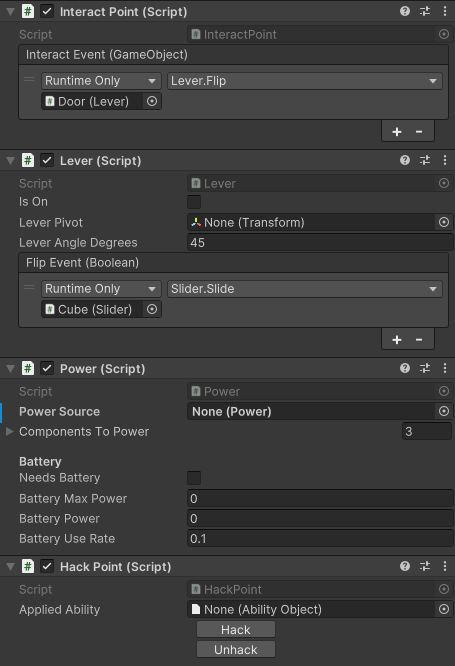
Leaning into Unity’s preference for composition helps greatly with this, as it allows you to quickly test new gameplay behaviour by combining small monobehaviours like ‘LEGO bricks’. Breaking down objects into their smallest possible parts also has the bonus of making systemic behaviour easier to implement later on in development.
Contracts between interchangeable components can be handled using UnityEvents rather than Interfaces, which can slow development due to the need to plan class inheritance.
For gameplay objects such as abilities and items, ScriptableObjects prove very useful, allowing for a lightweight ‘content management system’ where names, descriptions, properties, and behaviour can be designed and then utilised by gameplay monobehaviours.
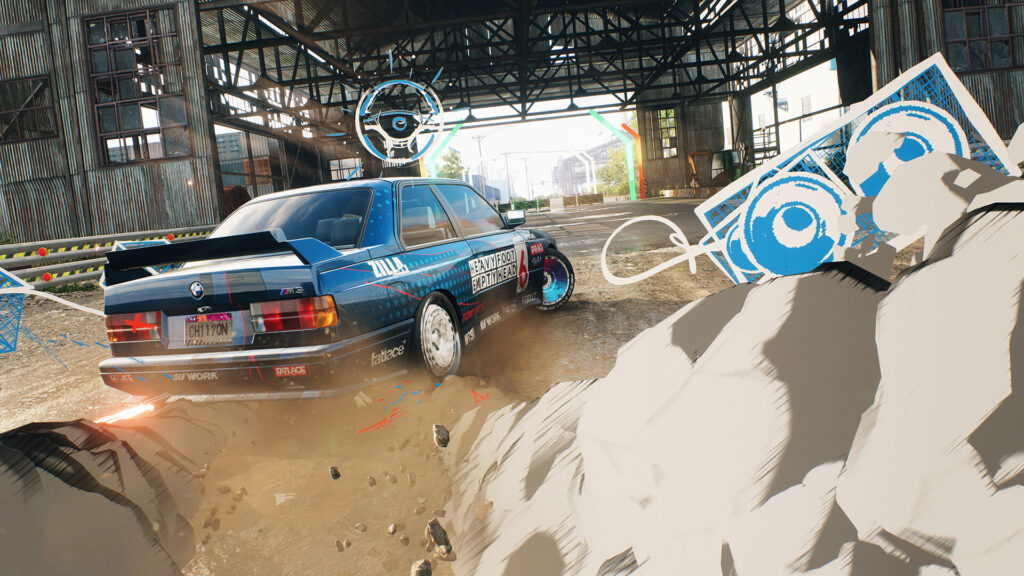
For Criterion’s return to the racing genre, I was given the opportunity to lead the design for one of the three project ‘Verticals’, responsible for the multiplayer, progression, customisation and UX design of the game. Given Need for Speed’s focus on self-expression and history of online experiences, this was a crucial role with many competing priorities. I worked hard alongside our Design Director, the two other Vertical Lead Designers and our producers to ensure that the team was coordinated and inspired to do their best work.
Lakeshore Online
My Vertical was responsible for the design and implementation of the multiplayer half of NFS Unbound: “Lakeshore Online”, which complements the single player adventure. During the early development of this feature set, we spent a lot of time researching previous successful implementations of online racing experiences and immersing ourselves in the culture and fantasy of street racing. We set our vision upon creating cooperative, unruly forms of play that deliver on the fantasy of connecting with a community of other street racers and defying the rules of lawful society.
Progression & Customisation
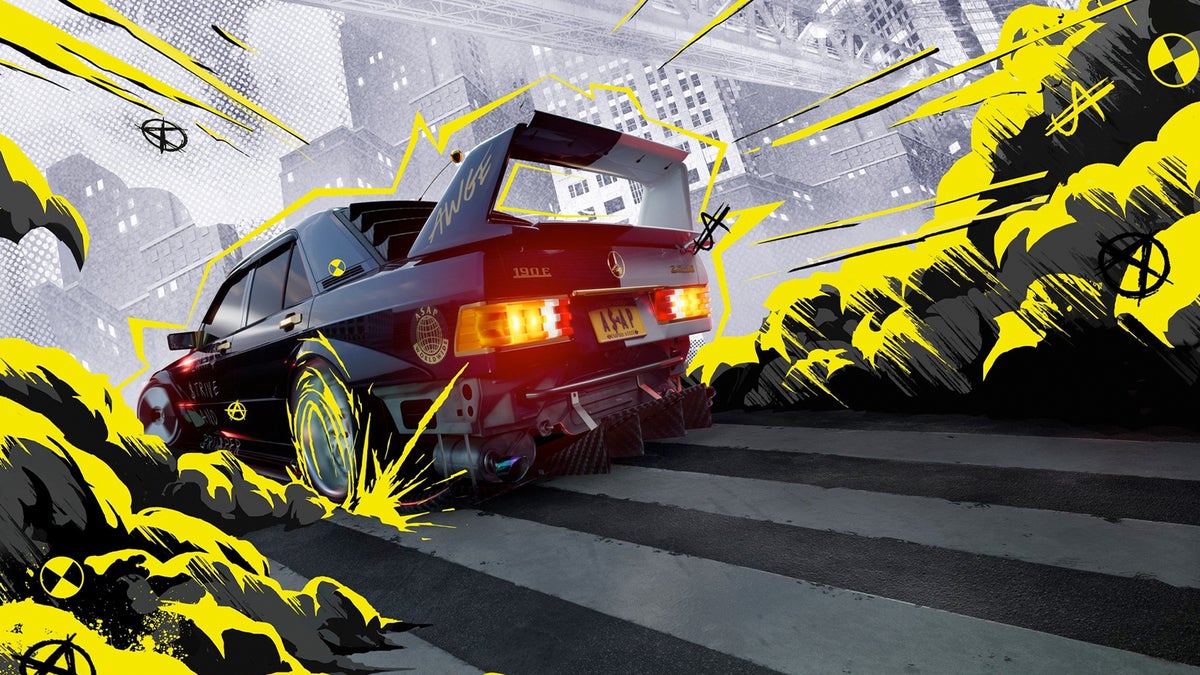
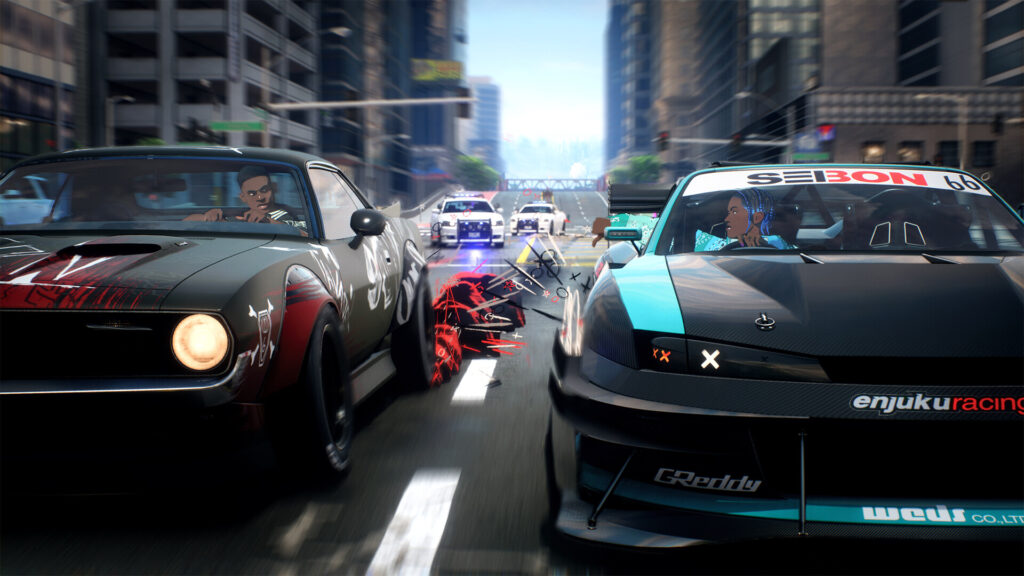
NFS is well known for its incredibly deep vehicle customisation. For Unbound, we wanted to push the envelope of creativity even further. Our Creative Director established a unique visual style for the game, combining hyperrealism with graffiti and comic book art.
This gave us new opportunities to reward the player with beautiful customisation options, such as the dynamic and exhilarating Driving Effects that can be seen when you drift or stunt. We also successfully broadened the character customisation and introduced player-designed banners to the game for online players to show off their accomplishments.
Post Launch Content
Unfortunately, due to budget and time constraints, much of what was designed for the Lakeshore Online experience had to be cut at launch. However, due to the diligence of the team and a commitment to post-launch content, the features returned as they had been designed in subsequent updates.
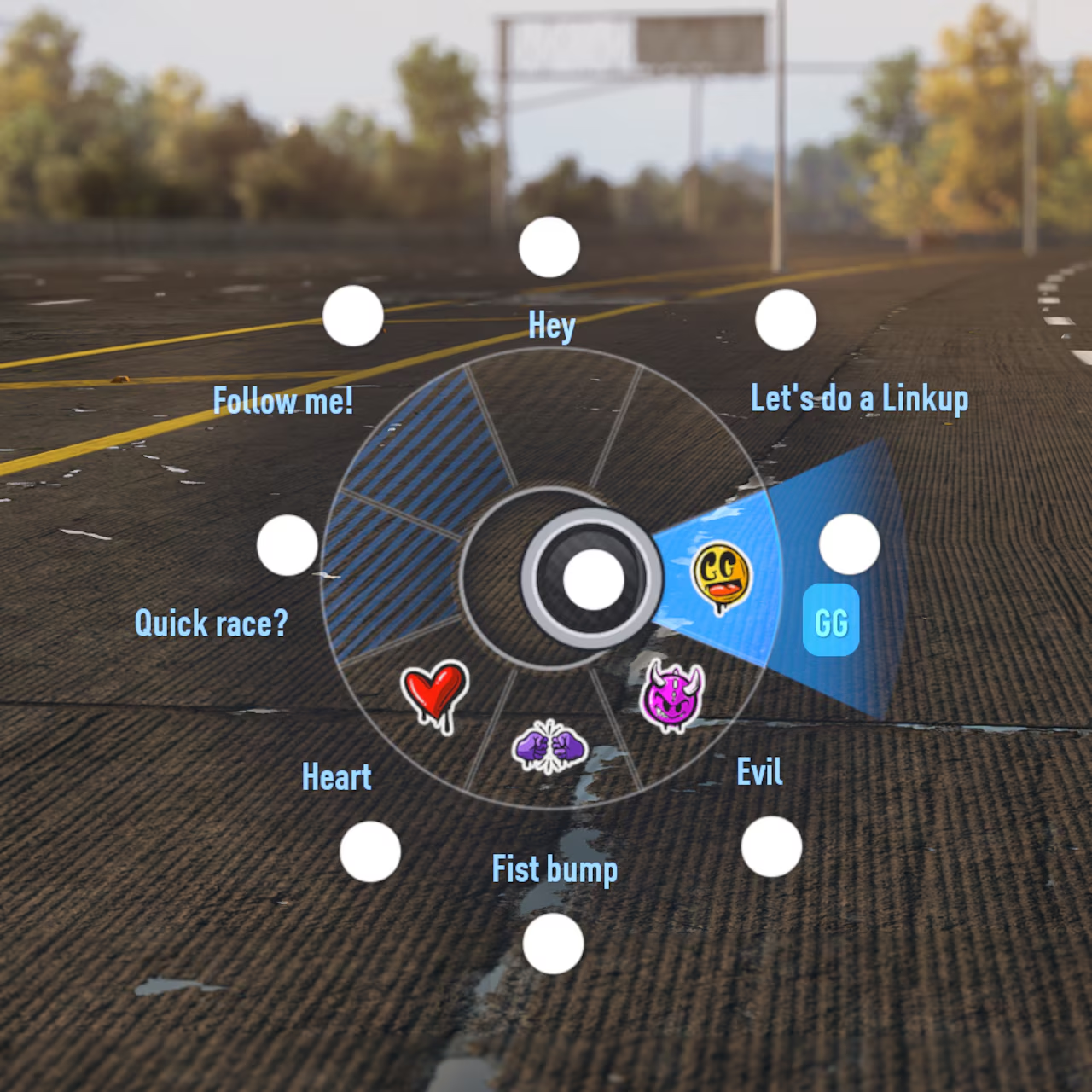
Two of these features that I led the development on and was especially glad to see return were the cooperative Link-Up events that called players across the server to work on stunt events together while avoiding the cops, and the emote wheel, which finally allowed players to coordinate and express themselves in the online space.
Community Reception
After the release of Link-Ups and the emote wheel in Volume 3, the community were increasingly invested in the online experience. As with any live service game, they had many criticisms and calls for improvement, but it was incredibly rewarding to see the hard work and vision that the team and I had strived for finally in the hands of players and to witness them eagerly enjoying the greater focus on cooperative driving experiences.
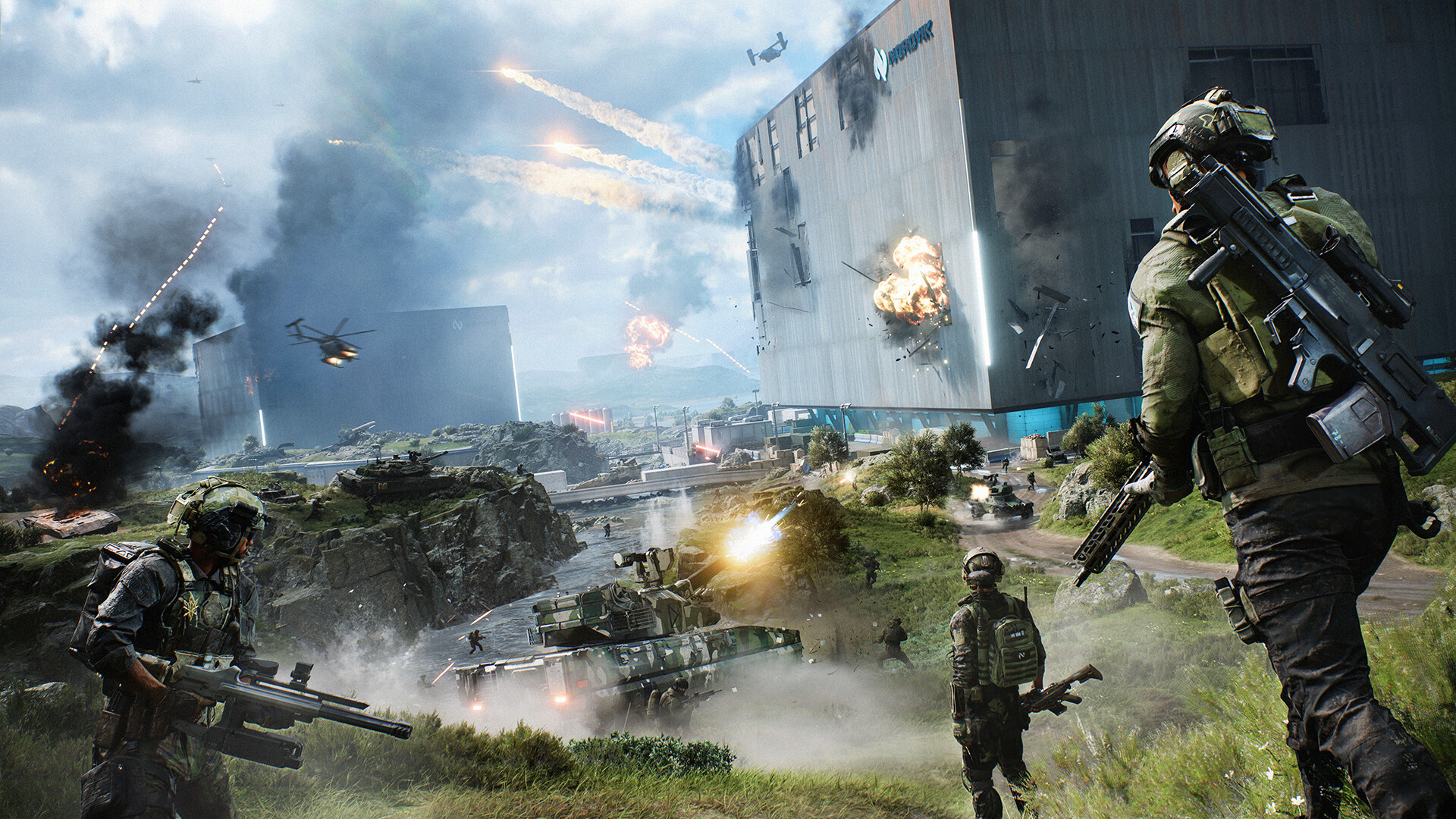
After working as a designer on an unreleased shooter with Criterion for a year, the project was unfortunately cancelled. However, I was able to join DICE again to support them on their next Battlefield project: the near-future all-out warfare sandbox FPS ‘Battlefield 2042’. As a huge fan of hero shooters, I was very excited to work directly on the game’s Specialists.
Specialist Abilities
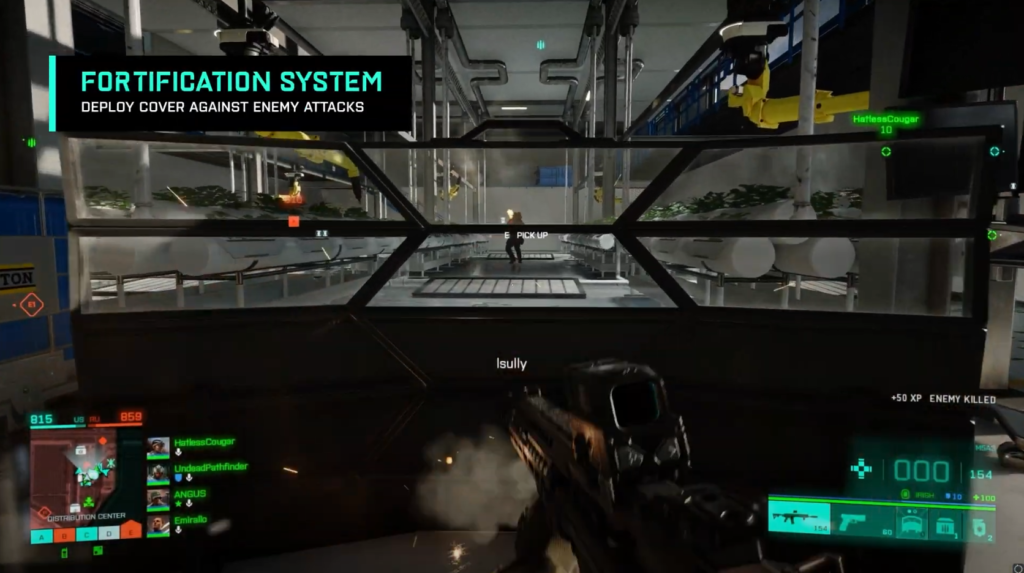
I worked alongside other designers from DICE on the core abilities of the Specialists in Battlefield 2042. Each Specialist has a unique active and passive ability that makes their gameplay experience unique.
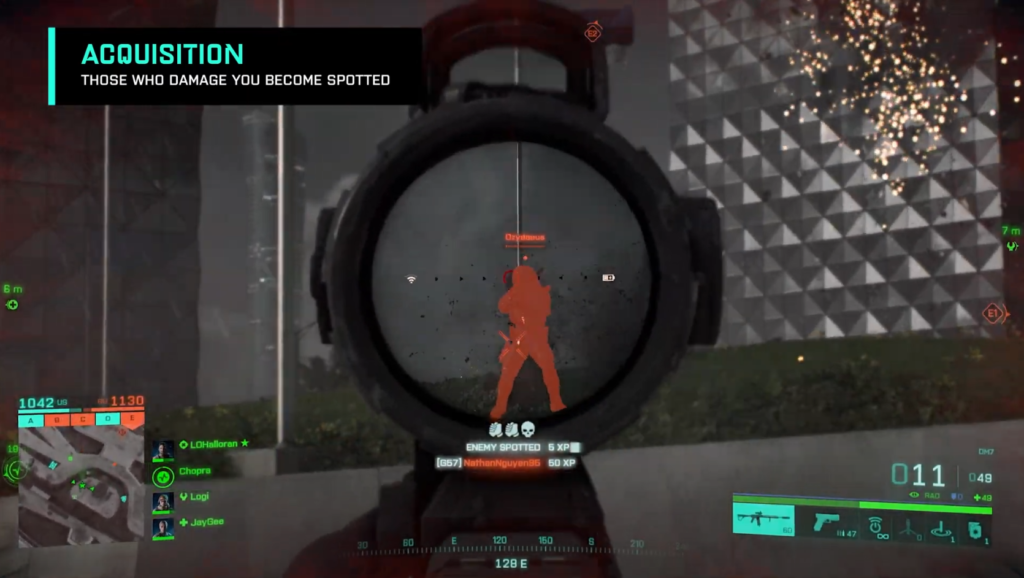
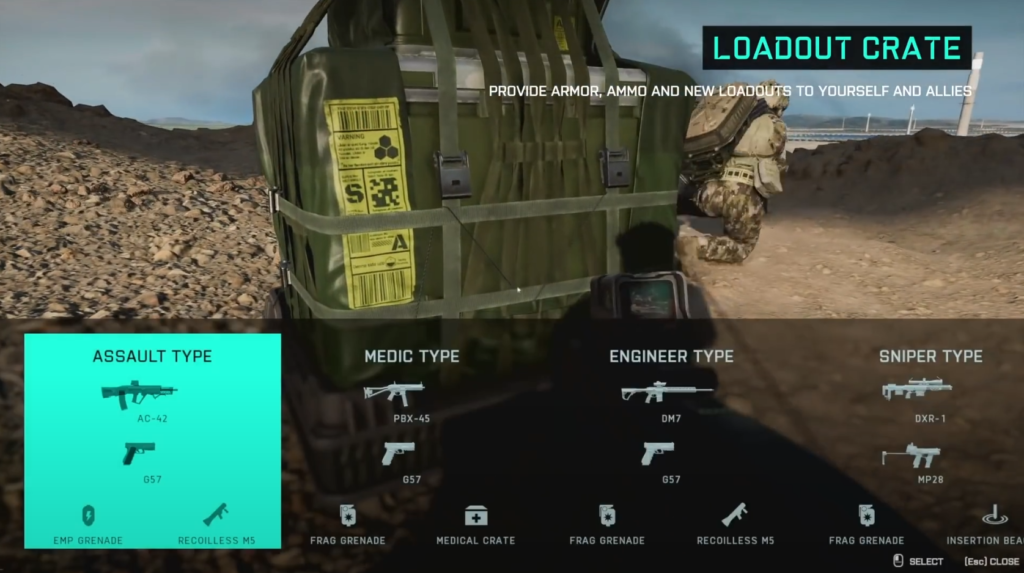
I joined the project close to the launch, taking responsibility for many of the abilities that sense enemies through walls or spawn new deployables, such as Rao’s ability to expose multiple enemies through walls using his Cyber Warfare Suite and Angel’s ability to call in a Loadout Crate to resupply teammates.
Hazard Zone: Tactical Upgrades
Once the Specialist abilities were feature-complete and in testing, I moved over to support the Hazard Zone team, working specifically on the Tactical Upgrades system. As Hazard Zone was intended to be an Extraction Shooter-style game mode for the latest Battlefield, the Tactical Upgrades acted as loot that could be purchased between rounds to augment a player’s character and increase their chances of survival. I helped to implement the Upgrades in Frostbite, iterating on them as needed and assessing their impact on the balance of the Hazard Zone game mode.


![Escape Hack [WIP]](https://miamakesworlds.co.uk/wp-content/uploads/2026/06/Key-Art-scaled.png)